
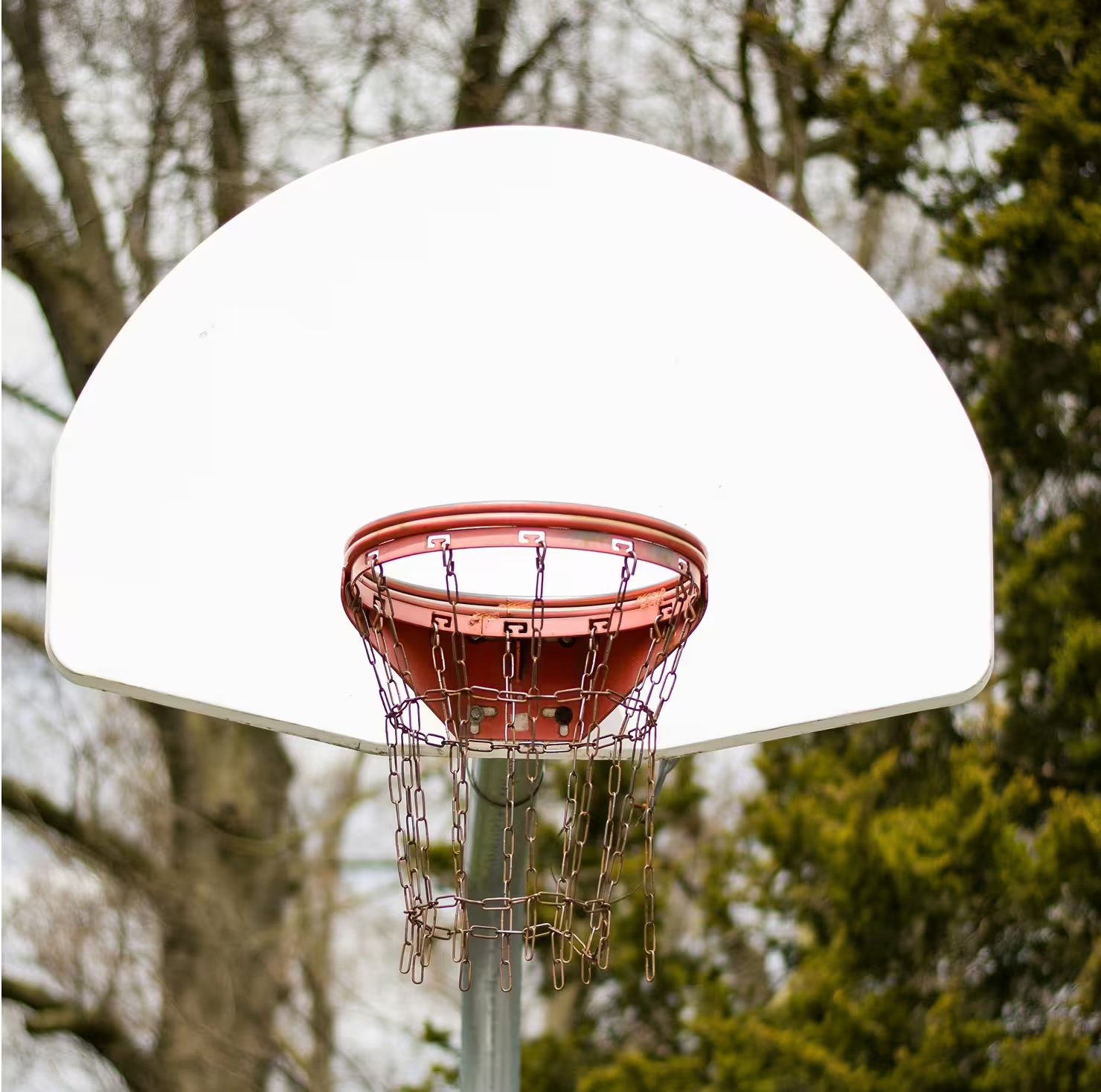
Spring is here, and that means it's time to dust off the basketball and hit the court. But before you start shooting hoops, make sure your outdoor basketball hoop is in top shape after a long winter. Proper spring basketball hoop maintenance prevents costly repairs, ensures safety, and extends the life of your in-ground, wall-mount, portable, or roof-mount system.
At Basketballsinstallers.com, we've installed and maintained hundreds of hoops across residential and commercial properties. Here's our expert basketball hoop maintenance checklist to get your setup season-ready.
1. Thorough Visual Inspection
Start with a close look at the entire system:
- Check the pole/post for cracks, rust, or bending (common after freeze-thaw cycles).
- Examine the backboard for cracks, warping, or cloudiness (especially acrylic or tempered glass).
- Inspect the rim for loose bolts, bent metal, or weakened welds.
- Look at the net for fraying, tears, or missing clips.
Pro tip: If you spot structural damage, don't DIY—contact professionals like us for safe basketball hoop repair or reinforcement.
2. Clean the Backboard, Rim, and Pole
Winter grime, pollen, and dirt reduce visibility and performance.
- Mix mild soap with warm water (avoid harsh chemicals that can damage padding or finish).
- Gently wipe the backboard with a soft cloth or sponge—never use abrasive pads on glass/acrylic.
- Rinse thoroughly and dry to prevent streaks.
- Clean the pole and base to remove rust promoters like salt or debris.
A clean hoop not only looks better but helps you spot issues early.
3. Tighten Hardware and Lubricate Moving Parts
Vibration and weather loosen components over time.
- Check and tighten all bolts, nuts, and anchors (use a torque wrench if possible).
- Lubricate adjustment mechanisms (on height-adjustable hoops) with silicone-based spray—avoid oil-based products that attract dirt.
- For portable bases, ensure the water/sand fill is at recommended levels for stability.
Loose parts can lead to wobble or failure during intense play.
4. Replace Worn or Damaged Parts
Common spring replacements include:
- Nylon net (replace if torn or sagging).
- Rim padding (if cracked or missing for safety).
- Anchor bolts or padding on in-ground systems.
Stock up on spares, or let our team handle basketball hoop maintenance & repair with quality parts.
5. Check Foundation and Stability (Especially In-Ground Hoops)
Winter frost heave can shift in-ground poles.
- Verify the pole is plumb (straight) using a level.
- Inspect concrete footing for cracks or shifting.
- For portable hoops, reposition if needed and refill base.
If stability is compromised, professional relocation or reinstallation may be required.
6. Weather Protection and Final Prep
- Apply rust-inhibiting spray to metal parts if needed.
- Consider a protective cover if your hoop won't see daily use.
- Test rim bounce and backboard rebound—adjust as necessary.
Once complete, your hoop is ready for dunks, three-pointers, and family games!
Don't risk safety or performance with a neglected hoop. If your inspection reveals issues beyond basic fixes—or if you're planning upgrades—Basketballsinstallers.com offers expert in-ground basketball hoop installation, wall-mount setups, repairs, and maintenance services. With fixed pricing and no hidden fees, we make getting back on the court easy.
Ready to elevate your game this season? Contact us today for professional help!


